
Brake Repair in Wichita, KS
When your vehicle needs reliable brake repair in Wichita, KS, Workhorse Automotive provides professional brake service to help keep your vehicle stopping properly and driving safely. Whether you have noticed squealing, grinding, vibration, pulling, or changes in braking performance, having the issue inspected can help identify the cause before it develops into a more serious problem.
Workhorse Automotive provides automotive repair and maintenance for domestic, European, and Asian vehicles. Our team focuses on identifying the problem, explaining what your vehicle needs, and recommending the appropriate service without unnecessary repairs.
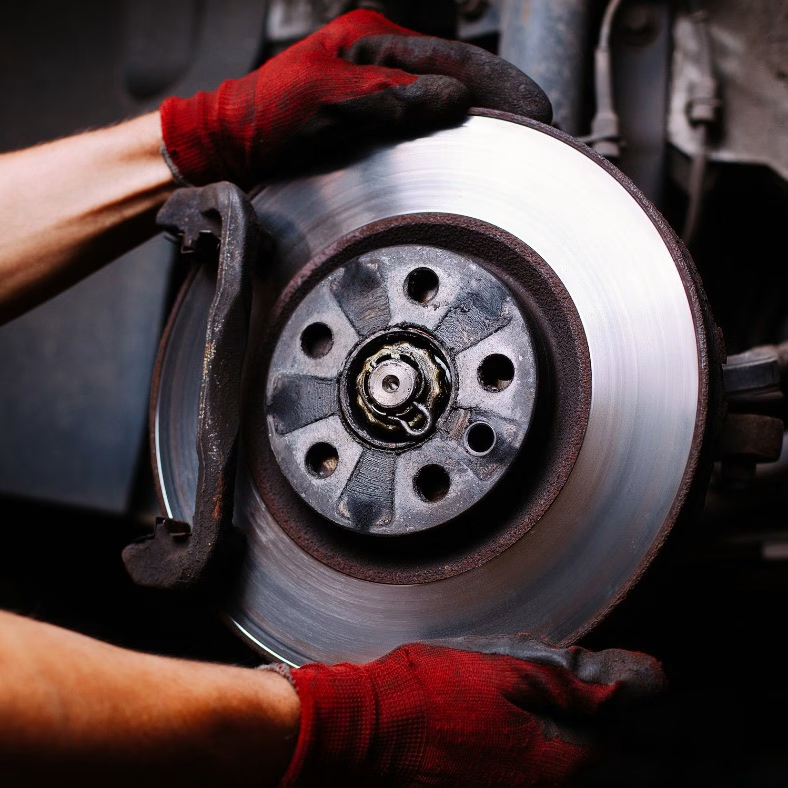
Signs Your Vehicle May Need Brake Repair
Brake problems do not always begin with a complete loss of braking. In many cases, your vehicle provides warning signs that something needs attention.
Have your brakes inspected if you notice:
- Squealing or squeaking when braking
- Grinding or scraping sounds
- Vibration or shaking when you apply the brakes
- Your vehicle pulling to one side while braking
- A brake pedal that feels unusually soft or firm
- Increased stopping distance
- A brake warning light on the dashboard
- Pulsation through the brake pedal
- Unusual smells after braking
- Changes in the way your vehicle responds when stopping
Some noises can have relatively simple causes, while others may indicate worn or damaged components. A proper inspection is the best way to determine what is causing the problem.
Complete Brake Service for Your Vehicle
Your braking system consists of several components that work together to slow and stop your vehicle. When one component becomes worn or develops a problem, it can affect overall braking performance.
Brake service may involve inspecting components and determining whether maintenance, adjustment, repair, or replacement is appropriate.
Workhorse Automotive can help diagnose brake concerns and determine what service your vehicle may need based on its condition and symptoms.
Brake Inspection
A brake inspection can help identify visible wear, damaged components, or other issues affecting braking performance.
If you have noticed a change in the way your vehicle stops, an inspection can help determine whether the problem is related to the brakes or another part of the vehicle.
Brake Pad and Rotor Concerns
Brake pads and rotors experience wear during normal driving. Their condition can change depending on driving habits, vehicle use, mileage, and other factors.
Worn brake components may produce noises, vibrations, or changes in stopping performance. Having the system inspected can help determine whether components can continue to be used or need service.
Brake Noise and Vibration
Squealing, grinding, or vibration should not simply be ignored. The source can vary depending on the vehicle and the condition of its braking components.
If your brakes suddenly sound or feel different, professional diagnosis can help identify the underlying issue.
Brake Fluid and Hydraulic Components
Your braking system relies on hydraulic components to transfer pressure when you press the brake pedal. Problems within this system can affect pedal feel and braking performance.
If the brake pedal feels unusually soft, spongy, or different from normal, have the vehicle inspected rather than continuing to drive without understanding the cause.
Why Brake Problems Should Not Be Ignored
Your brakes are one of the most important systems on your vehicle. Even when the vehicle is still stopping, a change in braking performance can indicate that something needs attention.
Ignoring unusual brake sounds or changes in pedal feel may allow a developing problem to continue. Early inspection can help determine the condition of the system and what repairs, if any, are necessary.
If your vehicle is experiencing a significant change in braking performance, avoid unnecessary driving and have the vehicle evaluated as soon as practical.
What to Expect During Brake Service
When you bring your vehicle in for a brake concern, explaining exactly what you have noticed can help with the diagnostic process.
Tell the technician:
- When the problem started
- Whether the noise occurs every time you brake
- Whether the vehicle pulls to one side
- Whether you feel vibration through the steering wheel or pedal
- Whether the brake pedal feels different
- Whether a warning light has appeared
The vehicle can then be inspected to determine the source of the concern. The recommended repair will depend on the condition of the braking system and the specific problem identified.
Workhorse Automotive emphasizes honest recommendations and clear communication so you can understand what your vehicle needs before deciding how to proceed.
Brake Repair for Domestic, European, and Asian Vehicles
Workhorse Automotive services domestic, European, and Asian vehicles and works with most makes and models.
Brake systems can vary between vehicles, so the correct service depends on the specific vehicle and the condition of its components. If you are unsure whether Workhorse Automotive services your particular make or model, contact the shop to confirm.
When Should I Have My Brakes Checked?
There is no single interval that applies to every vehicle because brake wear depends on factors such as driving conditions, vehicle use, and the components installed on the vehicle.
Instead of relying only on a specific mileage number, pay attention to changes in braking performance and follow your vehicle manufacturer’s maintenance recommendations.
A brake inspection is also appropriate when you notice a new sound, vibration, warning light, unusual pedal feel, or other change in the way your vehicle stops.
Frequently Asked Questions About Brake Repair
How do I know if my brake pads are worn?
Common signs can include squealing, grinding, changes in braking performance, or other unusual noises. The exact cause cannot always be determined from a symptom alone, so a brake inspection can help establish the condition of the components.
Why are my brakes making a grinding noise?
Grinding can have several possible causes, including contact between braking components. Because grinding can indicate a problem that needs attention, it is best to have the vehicle inspected rather than continuing to drive normally without determining the cause.
Why does my car shake when I brake?
Brake-related vibration can have several possible causes. The source may involve braking components or another part of the vehicle. An inspection can help identify what is causing the vibration.
Why does my car pull when I brake?
Pulling while braking can be associated with braking or other vehicle components. If your vehicle consistently pulls when you brake, have the issue inspected to determine the cause.
How often should I have my brakes inspected?
Brake inspection needs vary by vehicle and driving conditions. Follow the manufacturer’s maintenance recommendations and have the brakes checked whenever you notice changes in braking performance, unusual noises, vibration, or other warning signs.
Schedule Brake Repair in Wichita, KS
If your vehicle is making unusual brake noises, vibrating when stopping, pulling to one side, or simply not braking the way it normally does, contact Workhorse Automotive to discuss the issue and determine the appropriate next step.
Workhorse Automotive is located at 1127 S West St, Wichita, KS 67213 and provides automotive repair and maintenance for Wichita drivers.