
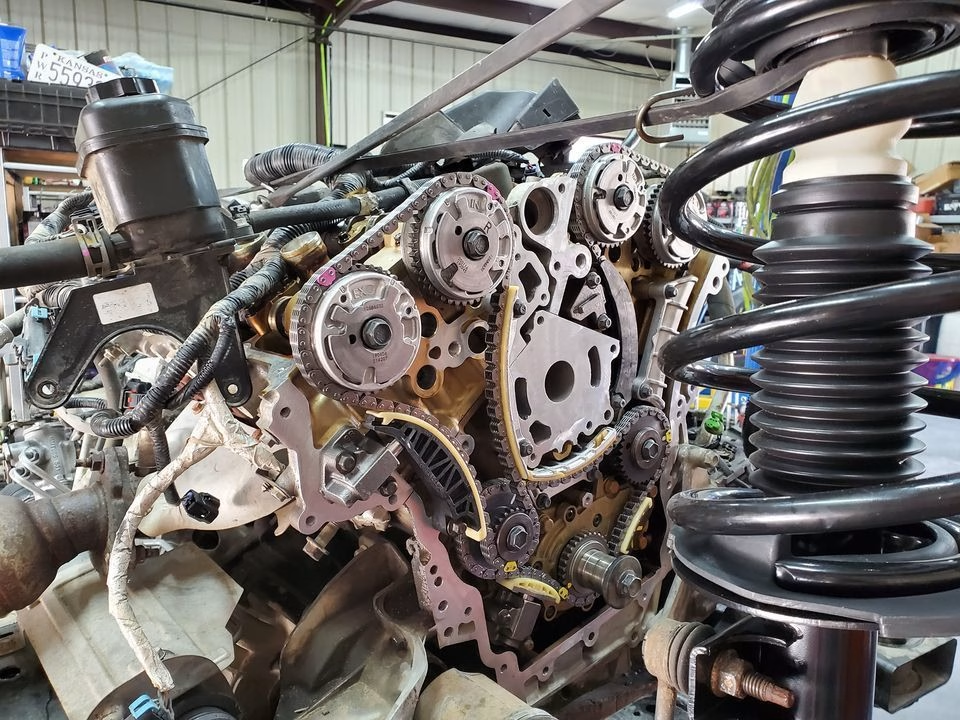
Can I Drive With My Check Engine Light On?
Yes, you may be able to drive with a check engine light on if the light is steady and your vehicle is otherwise running normally. However, you should not ignore the warning. If the check engine light is flashing or your vehicle is shaking, overheating, losing power, or running poorly, reduce unnecessary driving and have the vehicle checked by a qualified automotive professional.
Can I Drive With My Check Engine Light On? Short Answer
A steady check engine light usually means your vehicle’s onboard diagnostic system has detected a fault that needs attention. Depending on the cause, the vehicle may still seem to drive normally.
A flashing check engine light is more urgent. It can indicate a severe engine misfire or another condition that could lead to additional damage. If the light is flashing, especially when combined with rough running or loss of power, continuing to drive may not be advisable.
The safest decision depends on the warning light, how your vehicle is behaving, and whether other warning signs are present.
What a Check Engine Light Means for Drivers
Your vehicle uses sensors and an onboard computer to monitor engine operation, emissions, fuel delivery, ignition, and other systems. When the computer detects a problem that meets certain conditions, it can store a diagnostic trouble code and turn on the check engine light.
The warning does not automatically mean your engine is failing.
A check engine light can be triggered by several different issues, including problems involving ignition components, sensors, emissions equipment, fuel delivery, air intake, or other monitored systems.
Because many different faults can trigger the same dashboard warning, the light alone cannot tell you exactly what needs to be repaired.
When It May Be Possible to Keep Driving
If your check engine light is steady, your vehicle is operating normally, and no other serious warning signs are present, you may be able to drive cautiously while arranging professional diagnosis.
Pay attention to how the vehicle feels and sounds.
Watch for symptoms such as:
-
Rough idling
-
Engine hesitation
-
Reduced acceleration
-
Loss of power
-
Unusual engine noises
-
Shaking or vibration
-
Difficulty starting
-
Stalling
-
Smoke or unusual odors
-
Increased engine temperature
Even when the vehicle seems normal, a steady check engine light should not simply be ignored. Having the cause diagnosed can help you understand whether the problem is minor or requires repair.
When You Should Avoid Driving With the Check Engine Light On
There are situations where continuing to drive can create unnecessary risk or potentially lead to additional vehicle damage.
The Check Engine Light Is Flashing
A flashing check engine light requires more immediate attention than a steady light. One possible cause is a severe engine misfire.
A misfire can allow unburned fuel to enter the exhaust system, potentially causing excessive heat and damage to the catalytic converter.
If the check engine light starts flashing while you are driving, reduce unnecessary driving and seek professional automotive guidance promptly.
Why Is My Car Hard to Start When Cold?
Cold conditions increase the demands placed on the battery and starting system.
A battery with reduced capacity may become noticeably weaker when temperatures drop.
Other cold-start problems may involve:
-
Fuel delivery
-
Engine-management sensors
-
Ignition
-
Electrical connections
-
Other vehicle-specific systems
Repeated cold-start difficulty should be diagnosed rather than considered normal.
Why Is My Car Hard to Start When the Engine Is Hot?
A vehicle that starts normally when cold but becomes difficult to restart after reaching operating temperature may have a heat-related fault.
Potential areas include:
-
Starter or starting circuit
-
Fuel delivery
-
Sensors
-
Wiring
-
Electrical components
-
Engine-management systems
Some failing components behave differently after heating up.
Tell the technician if the vehicle starts again normally after cooling down.
Why Is My Car Hard to Start After Getting Gas?
If hard starting happens specifically after refueling, that pattern can be important for diagnosis.
Several fuel and emissions-related conditions may affect starting after the tank is filled.
Avoid assuming that the fuel itself is necessarily bad.
Tell the technician that the symptom appears after refueling so the appropriate systems can be evaluated.
Why Does My Car Start Better on the Second Try?
A vehicle that consistently struggles on the first attempt but starts more easily on the second may have an intermittent or pressure-related issue.
Possible causes can involve:
-
Fuel delivery
-
Battery condition
-
Starter operation
-
Electrical connections
-
Sensors
-
Engine controls
The pattern itself is useful diagnostic information.
Why Does My Car Start After Several Attempts?
Repeated attempts may temporarily allow an intermittent component to operate, but they do not fix the underlying problem.
Possible causes include:
-
Starter problems
-
Weak battery
-
Electrical connections
-
Fuel delivery issues
-
Sensors
-
Ignition problems
-
Relays or control circuits
If the number of attempts needed to start the vehicle is increasing, have it inspected before it becomes a complete no-start.
Why Does My Car Start Better With a Jump?
If jump assistance improves starting, battery condition or voltage delivery becomes an important area to check.
Possible causes include:
-
Weak battery
-
Discharged battery
-
Poor battery connections
-
Charging-system problem
A successful jump-start does not automatically prove that the battery itself is the only problem.
The alternator and electrical system may also need testing.
Can Loose Battery Terminals Cause Hard Starting?
Yes.
The starter requires substantial electrical current.
Loose, dirty, damaged, or corroded battery terminals can restrict current flow and cause:
-
Slow cranking
-
Clicking
-
Intermittent starting
-
Complete no-start
-
Flickering electrical systems
Battery connections should be checked before replacing more expensive starting-system components.
Can a Bad Ground Cause Hard Starting?
Yes.
The starting system depends on reliable ground connections between the battery, engine, and vehicle electrical system.
A damaged, loose, or corroded ground can interfere with starter operation.
Ground problems can sometimes be intermittent, making the vehicle start normally one time and poorly the next.
Can a Parasitic Drain Cause Hard Starting?
Yes.
If an electrical component continues drawing excessive power while the vehicle is turned off, the battery may gradually discharge.
The vehicle may then crank slowly or become difficult to start after sitting.
Possible sources of excessive electrical draw include:
-
Lights remaining on
-
Aftermarket electronics
-
Electrical modules staying active
-
Faulty relays
-
Wiring problems
-
Other electrical components
A parasitic draw test can help determine whether excessive key-off current is present.
Why Does My Car Start Hard After Sitting for Several Days?
If starting difficulty becomes worse after the vehicle sits, possible causes include:
-
Weak battery capacity
-
Parasitic battery drain
-
Fuel-system conditions
-
Electrical faults
-
Other vehicle-specific issues
The length of time the vehicle sits before symptoms appear is useful information.
For example, a car that starts normally every day but struggles after three or four days may require a different diagnostic approach from one that is difficult to start every morning.
Can Extreme Weather Affect Starting?
Yes.
Temperature can influence battery performance, engine cranking, and other vehicle systems.
Cold weather can reduce available battery performance and increase the effort needed to crank the engine.
High temperatures can contribute to battery deterioration and may also expose heat-sensitive electrical problems.
Persistent starting difficulty should still be inspected even if weather seems to trigger it.
Can Low Fuel Cause Hard Starting?
Very low fuel levels can sometimes contribute to fuel-delivery concerns, and fuel gauges are not always perfectly accurate.
If the vehicle is difficult to start and the tank is nearly empty, verifying the actual fuel level is a reasonable basic step.
Repeated hard starting should not simply be blamed on low fuel without further diagnosis.
Can a Check Engine Light Be Related to Hard Starting?
Yes.
A hard-start condition can sometimes be associated with engine-management faults that trigger the check engine light.
Diagnostic trouble codes may provide information about:
-
Sensors
-
Ignition
-
Fuel control
-
Electrical circuits
-
Other engine-management systems
A trouble code identifies the system where a problem was detected; it does not always identify the exact part that should be replaced.
Why Does My Car Run Rough After It Finally Starts?
If the engine is difficult to start and then runs rough, additional symptoms may help identify the affected system.
Possible causes may involve:
-
Fuel delivery
-
Ignition
-
Sensors
-
Engine controls
-
Mechanical conditions
Tell the technician how long the rough running lasts and whether the check engine light appears.
Why Does My Car Start and Then Die?
An engine that starts but immediately stalls may have a different problem from one that cranks without starting.
Potential areas include:
-
Fuel delivery
-
Engine-management systems
-
Security system
-
Sensors
-
Electrical power
-
Other engine-related conditions
Diagnosis should focus on what changes immediately after the engine begins running.
Will Hard Starting Eventually Turn Into a No-Start?
It can.
Some battery, starter, electrical, fuel, and engine-management problems gradually become worse.
A vehicle that currently starts after several attempts may eventually stop starting altogether.
Early diagnosis can reduce the chance of being unexpectedly stranded.
Should I Keep Cranking the Engine Until It Starts?
Avoid prolonged or repeated cranking.
Repeated starting attempts can:
-
Discharge the battery
-
Overheat starter-related components
-
Make diagnosis more difficult in some situations
If the engine does not start after reasonable attempts, stop and investigate the cause rather than continuously operating the starter.
What Information Should I Give My Mechanic?
Describe exactly when and how the starting problem occurs.
Useful details include:
-
Slow cranking or normal-speed cranking
-
Clicking noises
-
Cold or hot engine
-
First start of the morning
-
After sitting several days
-
Immediately after refueling
-
Starts better with a jump
-
Starts on the second or third attempt
-
Check engine or battery warning lights
-
Recent battery replacement
-
Recent electrical repairs
Patterns can significantly help with intermittent hard-start diagnosis.
How Is a Hard-Starting Problem Diagnosed?
Depending on the symptoms, diagnosis may include checking:
-
Battery condition
-
Battery state of charge
-
Charging system
-
Starter operation
-
Battery cables
-
Ground connections
-
Fuel delivery
-
Ignition operation
-
Engine-management sensors
-
Diagnostic trouble codes
-
Electrical circuits
-
Security system
-
Mechanical engine condition
A systematic diagnosis helps identify the cause instead of replacing parts based on guesswork.
How Workhorse Automotive Can Help
Workhorse Automotive provides auto repair services in Wichita, Kansas. If your vehicle takes longer than normal to start, cranks slowly, requires several attempts, or has difficulty starting under certain conditions, professional diagnosis can help identify the cause.
The problem may involve the battery, starter, alternator, electrical connections, fuel system, ignition system, sensors, or another engine-related component.
Hard-Starting and Auto Repair in Wichita, Kansas
Workhorse Automotive is located at 1127 S West St, Wichita, Kansas 67213.
If your vehicle is becoming increasingly difficult to start, consider having it inspected before the problem develops into a complete no-start condition.
For Wichita drivers, identifying whether the problem occurs during cold starts, hot restarts, after sitting overnight, or after several days can help make diagnosis more efficient.
Frequently Asked Questions
Why does my car take several seconds to start?
Extended cranking can result from fuel delivery, ignition, sensor, engine-management, or other mechanical and electrical problems. If the engine is also cranking slowly, the battery and starting system should be checked.
Why is my car hard to start in the morning?
A weak battery, overnight electrical drain, fuel-system problem, sensor issue, or another temperature-related condition may cause morning starting difficulty.
Why is my car hard to start when hot?
Heat-related starter, electrical, fuel, sensor, or engine-management problems can make a vehicle difficult to restart after reaching operating temperature.
Can a weak battery cause hard starting even if the car still starts?
Yes. A battery can lose capacity gradually and still start the engine under some conditions. Slow cranking and increasingly difficult starts are reasons to have the battery tested.
Why does my car start better after several attempts?
An intermittent starter, electrical, fuel, ignition, sensor, or control problem may temporarily improve after repeated attempts. The underlying problem should still be diagnosed.
If you are asking “Why is my car hard to start?”, contact Workhorse Automotive in Wichita, Kansas. Professional starting, electrical, and engine-system diagnosis can identify the cause and determine the appropriate repair.