
Engine Repair Valley Center Kansas
When your vehicle starts losing power, overheating, consuming oil, making unusual noises, or running differently than normal, the right first step is to find out what is causing the problem. Engine symptoms can come from different mechanical, electrical, fuel, ignition, or computer-controlled systems, so an accurate diagnosis can help prevent unnecessary repairs.
Engine repair in Valley Center, Kansas can help address problems ranging from unusual engine noises and oil leaks to overheating, poor performance, and more serious mechanical concerns.
Workhorse Automotive provides Engine Repair & Replacement along with Computer Diagnostics and other automotive services. The company states that its technicians can diagnose engine problems and recommend a practical repair or replacement solution based on the vehicle’s condition.
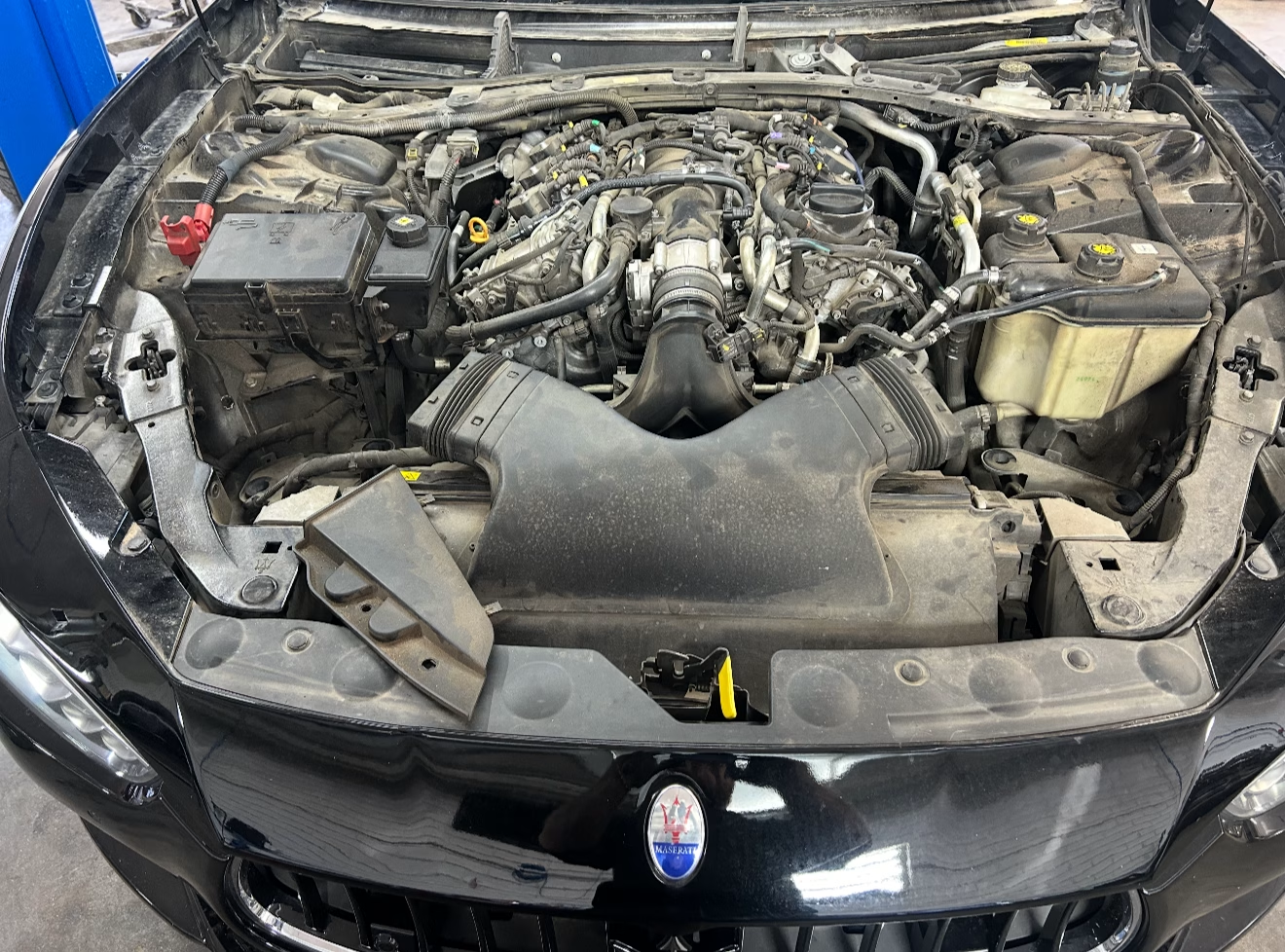
Signs Your Engine May Need Repair
Engine problems don’t always begin with a complete breakdown. Your vehicle may provide warning signs first.
Watch for:
- Check Engine Light
- Knocking, ticking, or rattling noises
- Loss of engine power
- Rough running
- Difficulty starting
- Engine overheating
- Excessive exhaust smoke
- Oil leaks
- Increased oil consumption
- Reduced fuel economy
- Stalling
- Unusual vibrations
Workhorse Automotive specifically identifies Check Engine Lights, unusual engine noises, excessive exhaust smoke, loss of power, oil consumption or leaks, and overheating as warning signs that may indicate the need for engine service.
These symptoms do not automatically mean the entire engine needs to be replaced. Several different problems can produce similar symptoms, which is why diagnosis matters before deciding on a repair.
Don’t Ignore Changes in Engine Performance
A vehicle may continue to drive even when an engine problem is developing. That can make it easy to postpone service when the vehicle still seems usable.
However, persistent changes in performance, unusual noises, overheating, oil loss, or significant power reduction deserve attention.
Having the vehicle evaluated can help determine whether the problem involves a specific component, requires additional diagnostics, or indicates more extensive engine work.
Common Engine Problems
Engine concerns can involve mechanical components as well as the systems responsible for controlling engine operation.
Oil Leaks and Oil Consumption
Engine oil lubricates internal components and helps reduce friction. If you notice oil spots underneath your vehicle or find yourself adding oil more frequently than expected, the reason should be investigated.
An external oil leak and excessive oil consumption can have different causes. Identifying where the oil is going is important before deciding what repair is needed.
Engine Overheating
An overheating engine should not be ignored.
If the temperature gauge rises unusually high or you notice other signs of overheating, continuing to drive can increase the risk of engine damage.
The underlying cause should be identified rather than assuming that one particular cooling component is responsible.
Loss of Power
A noticeable reduction in acceleration or engine power can have several possible causes.
Problems involving ignition, fuel delivery, air intake, engine management, or mechanical components can all affect engine performance.
A proper diagnostic process can help narrow down the source instead of relying on assumptions.
Unusual Engine Noises
Knocking, ticking, tapping, rattling, or other unfamiliar sounds deserve attention, particularly when they change with engine speed.
Try to identify when the noise occurs. Does it happen during startup, while idling, during acceleration, or when the engine is under load?
Those details can provide useful information when the vehicle is inspected.
Computer Diagnostics Before Major Engine Repairs
Modern vehicles rely on computer systems to monitor engine performance, emissions, electrical components, and other functions.
Workhorse Automotive offers Computer Diagnostics for Check Engine Lights, warning lights, poor engine performance, unusual drivability issues, and decreased fuel economy.
Diagnostic information can help identify which systems require further investigation.
A diagnostic trouble code does not necessarily mean that the component associated with the code has failed. Additional testing may be necessary to determine the actual cause.
This distinction is especially important when deciding whether a vehicle needs a relatively simple repair or more extensive engine work.
Engine Repair or Engine Replacement?
Not every engine problem requires replacing the entire engine.
The appropriate solution depends on the cause of the problem, the extent of the damage, the condition of the engine, and the vehicle itself.
In some situations, repairing a particular component may be appropriate. In other cases, extensive damage may make engine replacement a more practical option.
Workhorse Automotive lists Engine Repair & Replacement as a service and states that its technicians can diagnose engine problems and recommend a repair or replacement solution based on the vehicle’s condition.
A proper evaluation gives you useful information before making a major repair decision.
Why Timely Engine Repairs Matter
Delaying engine repairs can allow relatively small issues to become much more expensive. A minor coolant leak may eventually lead to overheating, while an unresolved ignition problem can affect engine performance and increase wear on other components. Addressing problems early often helps reduce repair costs and improves long-term vehicle reliability.
Routine inspections also help identify developing concerns before they become major failures. As vehicles accumulate mileage, components naturally wear, making preventative maintenance and professional inspections increasingly valuable.
Keeping your engine in good condition supports smoother performance, better fuel efficiency, more dependable starting, and greater confidence during everyday driving.