Wheel Alignment in Wichita, KS
When your vehicle pulls to one side, your steering wheel is off-center, or your tires are wearing unevenly, professional wheel alignment in Wichita, KS can help identify whether your wheels are properly positioned. Correct alignment can support predictable handling, even tire wear, and a better driving experience.
Workhorse Automotive provides alignment and tire services for domestic, European, and Asian vehicles. Our team focuses on identifying the cause of alignment concerns and explaining what your vehicle needs before recommending service.
Signs Your Vehicle May Need a Wheel Alignment
Alignment problems are not always immediately obvious. Some develop gradually as you drive, while others can appear after hitting a pothole, curb, or other road hazard.
Your vehicle may need an alignment inspection if you notice:
- The vehicle pulls to one side
- The steering wheel is off-center while driving straight
- Uneven or unusual tire wear
- The vehicle feels unstable or difficult to keep straight
- Steering feels different from normal
- The steering wheel does not return normally after a turn
- Tires are wearing more quickly on one side
- Your vehicle’s handling has changed
These symptoms can also be caused by tires, suspension components, steering components, or other issues. A proper inspection can help determine whether alignment is actually the cause.
What Is a Wheel Alignment?
Wheel alignment involves checking and adjusting the angles of the vehicle’s wheels according to the specifications appropriate for that vehicle.
Alignment affects how the tires contact the road and how the vehicle responds to steering input. When alignment angles are outside the appropriate range, the vehicle may not handle or wear its tires as expected.
Alignment service is not simply about making the steering wheel look straight. The vehicle’s alignment settings and related components need to be evaluated as a system.
Common Causes of Alignment Problems
Several situations can contribute to alignment changes.
Potholes and Road Impacts
Hitting a pothole or curb can affect wheel alignment or damage a steering, suspension, or wheel component.
If your vehicle starts pulling or the steering wheel position changes after an impact, an inspection can help determine whether alignment or another component has been affected.
Uneven Tire Wear
Alignment problems can contribute to abnormal tire wear. However, uneven wear can also have other causes.
If you notice that one part of a tire is wearing differently from the rest, having the tires and vehicle inspected can help determine what is causing the pattern.
Suspension or Steering Problems
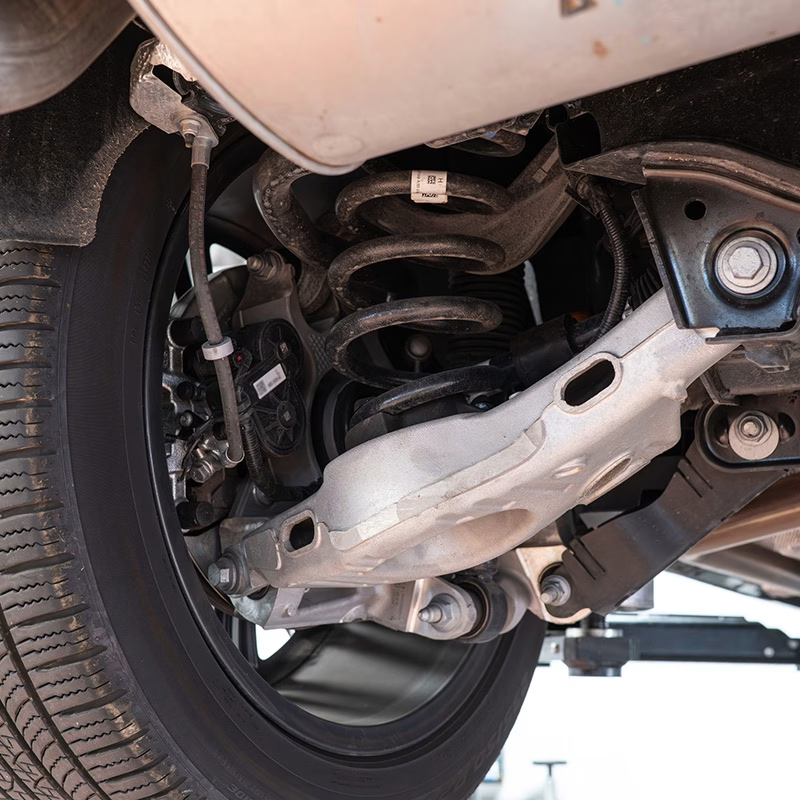
Alignment settings can be affected by worn or damaged steering and suspension components.
If an alignment problem keeps returning, it may be necessary to inspect related components rather than simply performing another alignment.
Why Proper Wheel Alignment Matters
Proper alignment helps your vehicle respond predictably to steering input and can help the tires wear more evenly.
When alignment is outside the appropriate specifications, you may notice pulling, an off-center steering wheel, or abnormal tire wear.
Alignment is only one part of overall vehicle handling. Tire condition, tire pressure, suspension components, steering components, and other factors can also affect how your vehicle drives.
Wheel Alignment and Tire Wear
Your tires should make consistent contact with the road surface. When alignment is incorrect, certain areas of the tire may experience more wear than others.
Uneven tire wear can shorten the useful life of a tire and may indicate that another vehicle issue needs attention.
If you notice unusual tire wear, do not assume that an alignment alone will solve the problem. The tires and related components should be evaluated to determine the underlying cause.
When Should You Get a Wheel Alignment?
There is not one universal alignment interval that applies to every vehicle.
An alignment inspection may be appropriate if:
- Your vehicle starts pulling to one side
- The steering wheel becomes off-center
- You notice uneven tire wear
- You have recently experienced a significant road impact
- Steering or handling feels different
- Suspension or steering components have been repaired or replaced
- New tires have been installed and an alignment concern is present
Your vehicle manufacturer’s recommendations and the condition of your vehicle should also be considered.
What to Expect During Alignment Service
Before alignment service, it is important to explain any changes you have noticed while driving.
Tell the technician if:
- The vehicle pulls in a particular direction
- The steering wheel is not centered
- Tire wear looks unusual
- You recently hit a pothole or curb
- The vehicle feels different after suspension or steering work
The vehicle can then be inspected to determine whether an alignment is appropriate and whether other components may be contributing to the problem.
If worn or damaged components are identified, those issues may need to be addressed for the alignment to remain within the appropriate specifications.
Wheel Alignment for Different Makes and Models
Workhorse Automotive services domestic, European, and Asian vehicles and works with most makes and models.
Alignment specifications vary between vehicles, so service should be performed according to the specifications appropriate for the particular vehicle.
If you are unsure whether Workhorse Automotive can service your vehicle, contact the shop to confirm.
Why Choose Workhorse Automotive?
Workhorse Automotive provides wheel alignment and tire services as part of its broader automotive repair and maintenance offerings.
The shop is ASE Certified and has more than 10 years of experience serving Wichita drivers. Workhorse Automotive also services domestic, European, and Asian vehicles.
Our focus is on understanding the condition of your vehicle and recommending the appropriate service based on what the vehicle actually needs.
Frequently Asked Questions About Wheel Alignment
How do I know if my car needs an alignment?
Pulling to one side, an off-center steering wheel, uneven tire wear, or changes in handling can indicate that an alignment inspection may be appropriate.
Can bad alignment cause uneven tire wear?
Yes. Alignment that is outside the appropriate specifications can contribute to uneven tire wear. However, tire pressure, suspension problems, tire condition, and other factors can also cause abnormal wear.
Does hitting a pothole affect wheel alignment?
A significant pothole or curb impact can affect alignment or damage related steering, suspension, or wheel components. If your vehicle handles differently after an impact, have it inspected.
How often should I get a wheel alignment?
There is no single interval that applies to every vehicle. Alignment should be checked when symptoms appear, after certain steering or suspension repairs, or when recommended for your specific vehicle.
Can I drive if my vehicle is pulling to one side?
A vehicle that pulls unexpectedly can affect handling and should be inspected. The cause may be alignment, tire condition, steering, suspension, or another issue.
Does Workhorse Automotive provide wheel alignment service?
Yes. Workhorse Automotive lists alignments and tire service among its automotive services and works with domestic, European, and Asian vehicles.
Schedule Wheel Alignment in Wichita, KS
If your vehicle is pulling to one side, your steering wheel is off-center, or your tires are wearing unevenly, contact Workhorse Automotive to discuss the problem and determine whether an alignment inspection is appropriate.
Workhorse Automotive is located at 1127 S West St, Wichita, KS 67213 and provides automotive repair and maintenance for Wichita drivers.